
Mon Sep 09 13:13:10 UTC 2024: ## South Indian Institutes Dominate NIRF Top 25 Rankings
**Chennai, India:** South Indian educational institutions have consistently held a strong presence in the top 25 rankings of the National Institutional Ranking Framework (NIRF) for the past five years. Analysis of NIRF rankings from 2020 to 2024 revealed that at least 40% of the top 25 institutions across all categories have been from South India, including Kerala, Tamil Nadu, Karnataka, Andhra Pradesh, and Telangana.
The 2024 rankings saw 10 out of the top 25 institutes hailing from South India. This dominance is attributed to the high performance of universities in the regions across five key factors: teaching, learning and resources, research and professional practices, outreach and inclusivity, graduation outcomes, and perception.
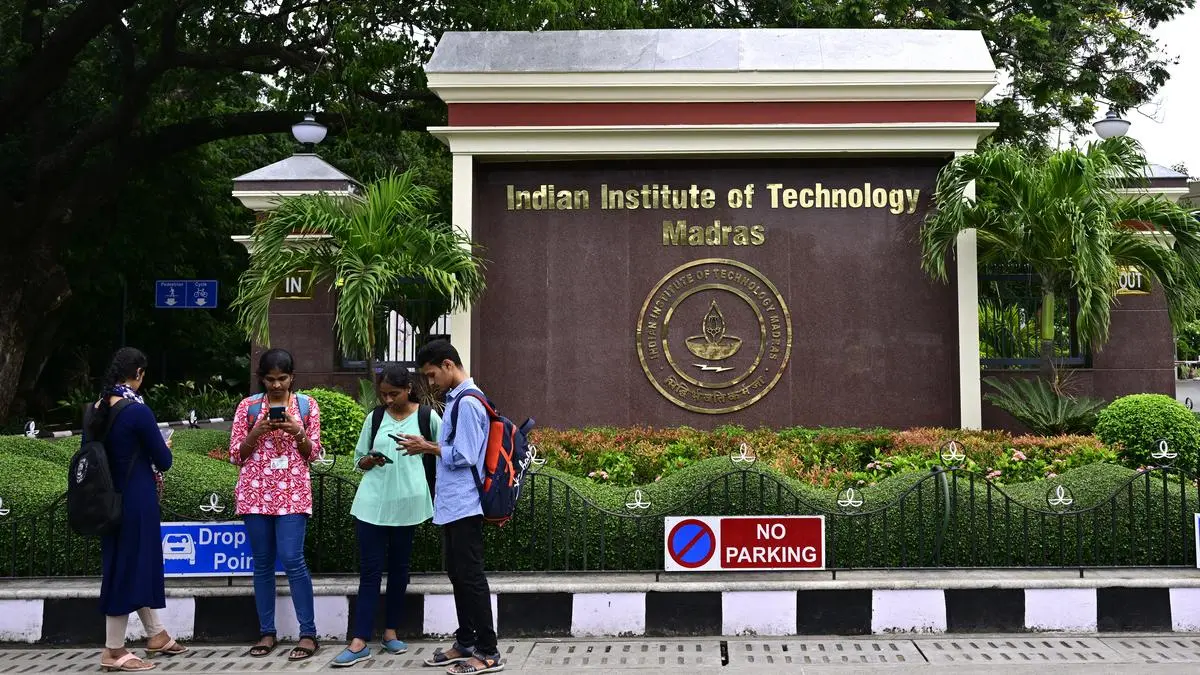
While the Indian Institutes of Technology (IITs) have consistently held around 32% of the top 25 spots, IIT Madras has secured the top position for six consecutive years, pushing IISc Bengaluru to second place.
Tamil Nadu has emerged as the state with the most institutes in the top 25 list, consistently having 5-6 institutions in the ranking between 2020 and 2024, closely followed by Delhi. In 2024, Tamil Nadu claimed six spots in the top 25, while Delhi secured five.
While engineering and medicine saw a higher representation of South Indian institutions, the management stream had fewer institutions from the region. In 2024, 10 engineering and medical institutes from the South were ranked in the top 25, compared to only three in management courses.
Tamil Nadu had the highest number of engineering institutes in the top 25 over the past five years, while Tamil Nadu and Karnataka led in medical institutes. However, South India lagged in management courses, with Central and North India claiming a majority of the top 25 spots.
While praising the NIRF’s transparency, Moumita Koley, Senior Research Analyst at DST-CPR, IISc Bengaluru, raised concerns about the methodology’s susceptibility to manipulation and suggested re-evaluation to address these concerns.
 First Piper