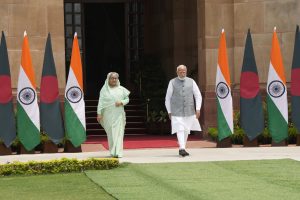
Sat Sep 07 16:56:11 UTC 2024: – India is facing a dilemma over the extradition of former Bangladeshi Prime Minister Sheikh Hasina, as public sentiment in Bangladesh calls for her repatriation to face charges.
– The extradition treaty between India and Bangladesh, signed in 2013 and amended in 2016, aims to streamline the process of extraditing fugitives and criminals to address issues of insurgency and terrorism.
– The treaty includes provisions requiring extradition for individuals charged or convicted of crimes with a minimum punishment of one year of imprisonment, with an exemption for political offenses that are not recognized in the treaty.
– Sheikh Hasina is facing serious charges in Bangladesh, including murder, enforced disappearance, and genocide, which make it challenging for her to seek asylum in India.
– India may be legally bound by the treaty to extradite Hasina if a formal request is made by the interim government of Bangladesh, unless there are valid reasons for refusal based on the treaty’s provisions.
– The decision to extradite or refuse extradition could have far-reaching implications for India’s diplomatic relations with Bangladesh and political factions within both countries.
– India must carefully navigate the complex interplay of public sentiment, diplomatic relationships, and legal obligations under the extradition treaty to maintain regional stability and manage the implications of its decision.
Would India Extradite Sheikh Hasina to Bangladesh?

Would India Extradite Sheikh Hasina to Bangladesh?
 First Piper